
Love Languages Might Be Ruining Your Relationship…
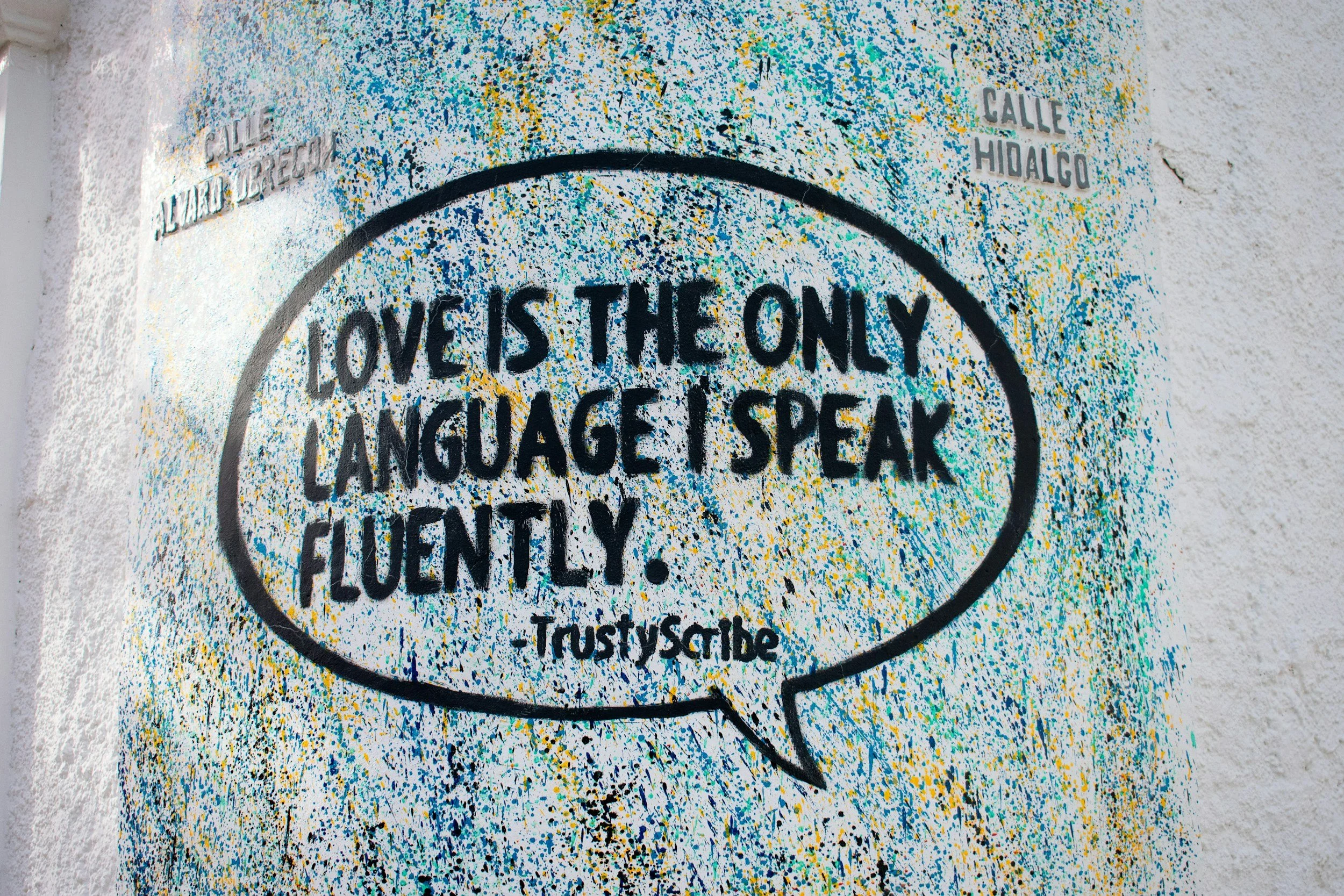
Why understanding how you love isn’t the same as learning how to love well
When Love Doesn’t Feel Like Love
There’s a moment that happens in the therapy room more often than people realise.
A couple sits across from me, both frustrated, both feeling unseen.
One partner says, “I do love you… I just show it differently.”
The other responds, “But I don’t feel loved.”
And somewhere in that space, almost inevitably, the phrase appears:
“That’s just not my love language.”
Since Gary Chapman introduced the concept in The Five Love Languages (1992), it has become one of the most widely used frameworks in modern relationships.
And on the surface, that’s a good thing.
Love languages have helped people:
Understand emotional needs in relationships
Improve communication in couples
Build awareness around how love is given and received
But here’s the tension I’m increasingly seeing:
What if love languages aren’t just being misunderstood but misused?
Not because the concept itself is flawed, but because of how we’ve come to use it.
The Problem with Love Languages in Modern Relationships
Love languages were designed to increase awareness.
But awareness alone doesn’t transform relationships.
Somewhere along the way,
“understanding your love language” has, for some, become a relational loophole, a way of staying within what feels comfortable, rather than stretching towards what is needed.
I hear it often in therapy:
“I’m not good at words of affirmation.”
“Physical touch isn’t really my thing.”
“I show love by providing that should be enough.”
And while there is truth in knowing your natural tendencies…
Love was never meant to stay comfortable.
Love Languages Are Not a Personality Type
One of the biggest misconceptions about love languages is this:
We’ve started treating them as fixed identities, almost like personality traits. But healthy relationships don’t thrive on self-expression alone.
They require:
Emotional responsiveness
Adaptation to your partner’s needs
Intentional expressions of care
Relational flexibility
Because your partner does not experience love the way you do.
And if you’re only loving them in your language, you may be expressing love clearly… but they may not be receiving it.
Why Your Partner May Feel Unloved (Even When You Care)
This is where many couples feel stuck.
One partner feels:
“But I am loving you.”
The other feels:
“Then why don’t I feel loved?”
This isn’t about effort being absent.
It’s about a mismatch between:
Intention (how you show love)
Impact (how your partner experiences it)
And relationships begin to struggle when that gap is left unaddressed.
Awareness Isn’t Enough, You Need to Learn to ‘Translate’ Love
Understanding love languages is only the beginning.
What actually strengthens relationships is the ability to translate love.
That means moving from:
“I know their love language”
To:
“Am I willing to practise it, even when it doesn’t come naturally?”
Because love is not just about being expressed.
It’s about being felt, received, and recognised.
And that often requires conscious, intentional effort.
What It Really Means to Be ‘Multilingual’ in Love
Becoming “multilingual” in love doesn’t mean losing yourself.
It means expanding your capacity.
It looks like:
Saying the words, even if it feels unfamiliar
Offering touch, even if it’s not your instinct
Creating time and presence, even when life is busy
Giving in ways that matter to your partner—not just to you
It also means letting go of:
“This is just how I am”
“If they loved me, they’d accept this”
“I shouldn’t have to change”
Because growth, not comfort is what sustains intimacy.
For Individuals, Couples, and Therapists
Whether you’re navigating your own relationship or supporting others in theirs, this is where the deeper work lies.
Not simply identifying love languages…
But exploring:
Where am I resistant in love?
What feels unnatural to me, and why?
What beliefs or habits keep me from stretching?
What would it cost me to love this person in a way they can truly feel?
Because this is where relationships either deepen or quietly begin to disconnect.
A Healthier Way to Use Love Languages
Love languages are not the problem. But they were never meant to be:
A fixed identity
A relational boundary
Or an excuse to avoid growth
They were meant to be a tool for connection.
A starting point, not the destination.
Final Thought: Are You Comfortable or Fluent?
Love languages were never meant to be a boundary.
They were meant to be a bridge.
But bridges only work if you’re willing to cross them.
So perhaps the real question is this:
Are you fluent in love, or just comfortable in your own dialect?
If love is the language we want to speak and hear, if our partner doesn’t understand it, what are we actually saying (or doing?)
💬 I’d love to hear your thoughts. Have love languages helped your relationship, or have they ever limited growth?